How to Visit the White House: Tours, Security, and Smart Planning
A visit to the White House remains one of the most sought-after experiences in the capital. Whether you’re planning a first-time tour or returning for a special event, understanding how public access works, what to expect from security, and how to prepare will make the experience smoother and more enjoyable.
How to request a tour
– U.S.
citizens typically request White House tours through the office of their member of Congress or senator. Start by contacting your representative’s constituent services office for reservation procedures.
– International visitors usually request tours through their country’s embassy in Washington or through official diplomatic channels.
– Tours are free of charge, but availability is limited. Requests are processed in advance and reservation slots can fill quickly, so submit your request as early as possible.
What to expect at security screening
– All visitors undergo a thorough security screening before entry. Expect procedures similar to airport screening, including metal detectors and bag checks.
– A valid government-issued photo ID is required for all adults. Minors may have specific requirements—check with the booking office that processed your reservation.
– Background checks are standard and handled by the White House Visitor Office; bracelets or confirmation documents may be issued and must be presented on arrival.
Rules, prohibited items, and photography
– To ensure a safe environment, a strict list of prohibited items is enforced.
Commonly banned items include large bags, food and drinks, sharp objects, weapons of any kind, drones, and selfie sticks. Check the official guidance from the office that issued your tour confirmation before you arrive.
– Photography rules vary by area and event. Staff will inform visitors when photography is permitted and when it is not. Follow instructions from White House personnel to avoid confiscation or expulsion from the tour.
Accessibility and accommodations
– Accessibility is a priority. The White House offers accommodations and accessible entrances for visitors with mobility, hearing, or vision needs.
When making your reservation, indicate any special requirements so staff can assist with arrangements.
– If you use a wheelchair or require assistance, notify the office that processes your tour request to confirm availability and logistics.
Timing and nearby attractions
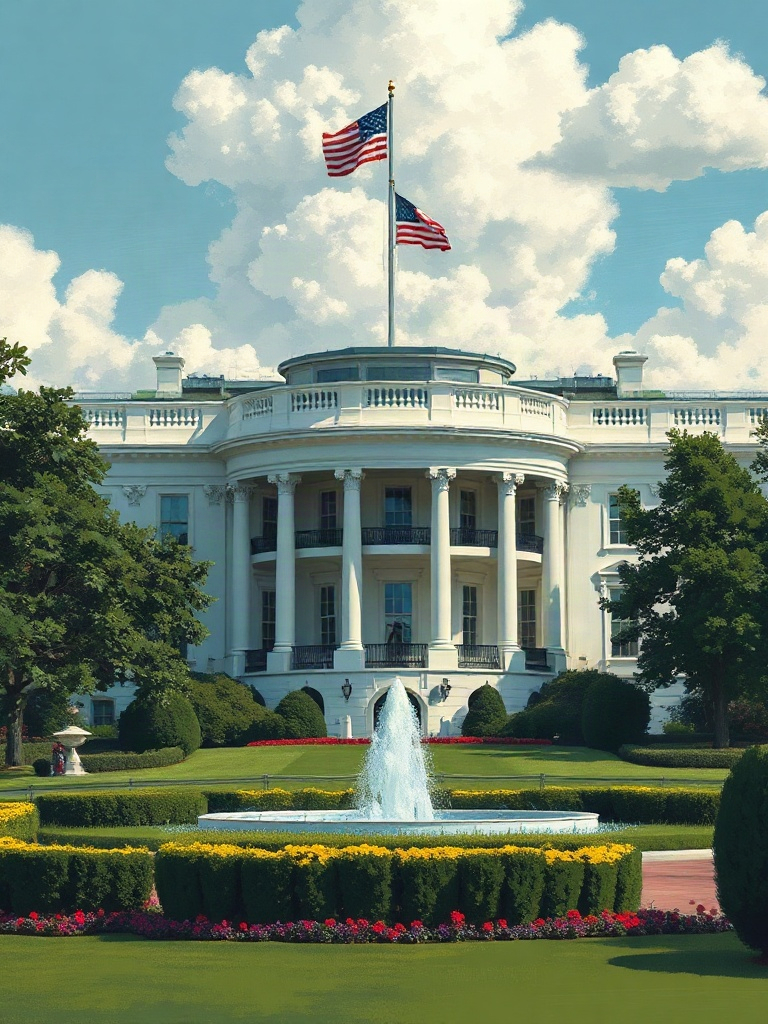
– Tours are timed; arrive early to allow for security processing and to avoid missing your entry window. Dress comfortably and be prepared for brief waits outside during busy periods.
– Combine your visit with nearby attractions: the White House Visitor Center on the National Mall, Smithsonian museums, the National Archives, and nearby memorials make for a full city itinerary.
Special events and alternatives
– The White House hosts public-facing events during the year, such as holiday activities and national observances. These events often have separate reservation systems and specific rules.
– If you can’t secure a tour, consider virtual resources and official visitor centers that offer exhibits and historical context. Nearby public spaces and guided walking tours can also provide rich insights into presidential history and architecture.
Smart tips for a smooth visit
– Confirm logistics with your congressional office or embassy the week of your visit, and bring printed or digital confirmation details.
– Travel light and avoid carrying prohibited items to speed up entry.
– Respect staff instructions and fellow visitors to maintain a safe, respectful environment.
A White House visit is both symbolic and fascinating. With planning, awareness of security procedures, and a few practical precautions, your tour can be memorable and hassle-free.
Leave a Reply