Georgetown’s Timeless Appeal: Shopping, Culture, and Waterfront Life
Georgetown has a distinctive rhythm that blends historic charm with modern urban life.
Cobblestone streets, brick rowhouses, and the towpath along the canal give the neighborhood a timeless feel, while boutique shops, inventive restaurants, and a lively university community keep it fresh and vibrant.
Whether you’re a visitor, a local, or a would-be resident, Georgetown rewards curiosity with layers of experiences.
Historic character and preservation
The neighborhood’s architecture is a major draw. Federal-style facades, wrought-iron details, and tightly packed rowhomes create a cohesive streetscape that attracts preservation advocates and design enthusiasts alike.
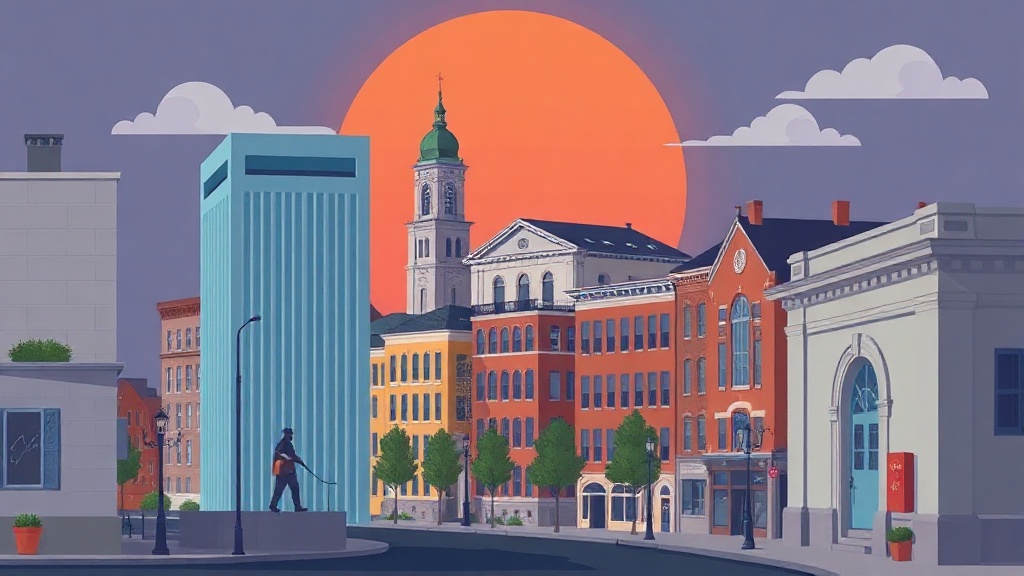
Local historic district controls and community activism help protect that character, which often shapes how property owners approach renovations and new construction. These protections maintain the sense of place that makes Georgetown unique, even as adaptive reuse projects turn old commercial spaces into contemporary uses.
Waterfront and outdoor life
The canal towpath and waterfront parks offer an escape from the urban bustle. Walking, running, cycling, and kayaking along the river are popular ways to enjoy green space close to the city center. Waterfront restaurants and seasonal events activate the water’s edge, giving the neighborhood a relaxed, social atmosphere.
For those who value walkability, some of the best experiences are simply wandering through hidden alleys, pausing at a cafe, or watching the sunset from a riverside bench.
Retail and dining
M Street and Wisconsin Avenue are synonymous with shopping, where high-end flagships stand alongside independent boutiques and galleries. The retail mix has evolved as small businesses adapt to changing consumer habits; local shops that emphasize curated selections and personalized service often stand out. Dining options range from casual neighborhood spots to chef-driven establishments, reflecting a culinary scene that values both tradition and innovation.
Reservations remain a good idea for popular kitchens, while discovering a tucked-away bistro can be one of Georgetown’s delights.
University influence
The presence of a major university brings intellectual energy and cultural programming to the area. Campus events, lecture series, and athletic contests infuse the neighborhood with activity and create opportunities for community engagement. Student-driven entrepreneurship and research partnerships also contribute to the local economy and cultural calendar.
Transit, access, and mobility
One enduring conversation centers on connectivity.
Georgetown’s lack of a direct rapid-transit stop shapes daily life and travel patterns. Commuters and visitors rely on a combination of bus lines, shuttles, biking, and walking. Micromobility options and pedestrian improvements have eased short trips, while parking and traffic remain active topics for residents and planners balancing accessibility with livability.
Development trends and community balance
Development proposals often spark debates about scale, affordability, and historic context. There’s ongoing interest in projects that provide housing and retail while respecting the neighborhood’s fabric.
Community groups, preservationists, and policymakers frequently negotiate to find solutions that support economic vitality without eroding the qualities that make Georgetown special.
Visitor and resident tips
– Explore beyond the main thoroughfares: alleyways and side streets reveal hidden gems.
– Walk the canal towpath early or late for quieter stretches and better light for photos.
– Reserve tables for sought-after restaurants, and try weekday lunches for smaller crowds.
– If you’re considering a move, factor in maintenance costs for older homes and local preservation rules that affect renovations.
Georgetown’s appeal lies in its ability to feel rooted and contemporary at once.
The neighborhood continues to evolve through conversations about preservation, mobility, and community needs, all while offering the scenic, cultural, and retail experiences that draw people back again and again.
Leave a Reply