Georgetown offers a rare blend of historic charm, lively dining, and waterfront recreation that invites both locals and visitors to linger.
Tucked along the Potomac, this neighborhood balances cobblestone streets and ivy-covered façades with modern boutiques, lively cafés, and green corridors that reward slow exploration.
Start with the streets.
M Street and Wisconsin Avenue form the retail backbone, where internationally known brands sit alongside independent designers, antique dealers, and specialty food shops. Window-shopping here is part of the appeal: historic row houses and preserved storefronts create an intimate, walkable shopping experience that differs from larger commercial districts.
For collectors and lovers of the unusual, the O Street area and side streets reveal galleries and hidden showrooms that are worth detours.
The waterfront is a central draw. The Potomac-facing parklands provide grassy terraces, paved promenades, and seating that encourage picnics, people-watching, and sunset views. Paddle-sports rentals and guided kayak tours launch from several spots, making the river a lively stage for recreation. The C&O Canal Towpath runs at the neighborhood’s spine and offers a surprisingly tranquil route for walking, running, or cycling—an unexpected green artery in the urban fabric.
Food and drink here are a study in contrasts: chef-driven tasting menus and elegant waterfront dining exist alongside casual bakeries, international street foods, and lively bars. Brunch culture is robust; weekend crowds often spill onto sidewalks and patios.
For quieter meals, explore side streets for neighborhood cafés that focus on seasonal ingredients and thoughtful menus.
Cultural stops are plentiful. A well-known historic university anchors one side of the neighborhood, with ivy-clad buildings and public events that energize campus life. Nearby, garden estates and small museums offer cultivated landscapes and curated collections—perfect for those who enjoy artful settings and peaceful walks. Public programming often includes lectures, garden tours, and exhibitions that add depth to a stroll through the area.
Getting around efficiently means planning for limited parking and prioritizing transit options. There’s no central subway stop inside the neighborhood, so many visitors combine regional rail or metro trips with short bus rides, bike-share, or rideshare options. The towpath and neighborhood streets are bike-friendly enough for casual riders, and pedestrian routing makes exploring on foot the most rewarding way to discover tucked-away gems.
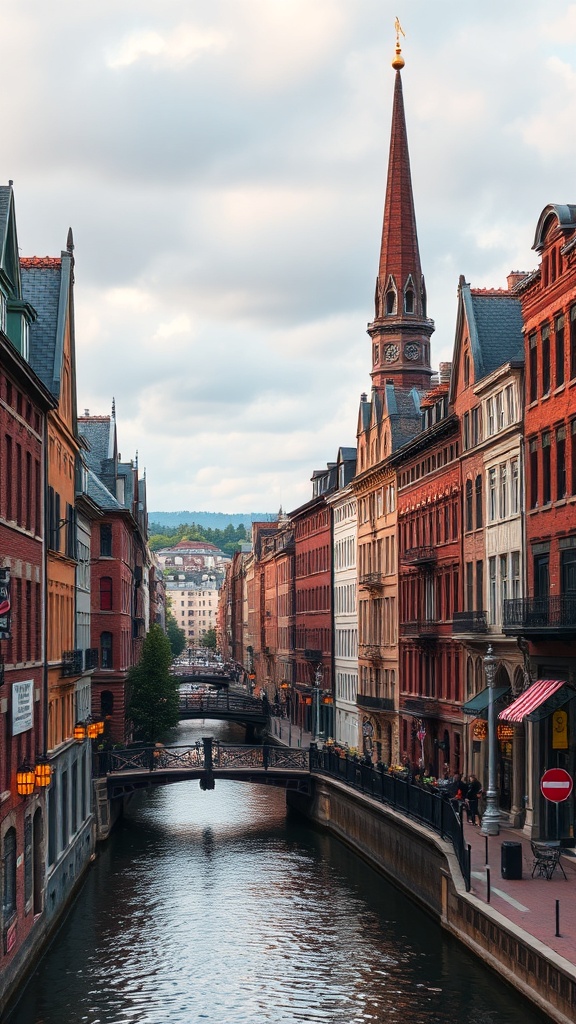
Practical tips for a smoother visit: start early on popular weekend days to secure a table at sought-after restaurants; wear comfortable shoes for cobblestones and gentle hills; and pick a neighborhood coffee shop for a mid-morning break to chart your next stop. If you want to escape the busiest corridors, follow the canal or weave into the residential streets for leafy courtyards and quiet scenes that feel a world away.
Sustainability and community initiatives shape ongoing improvements, from expanded green spaces to pedestrian upgrades that make the neighborhood more livable. Local markets, small-business advocacy, and park programming keep the area vibrant and community-focused, ensuring every visit offers something fresh to discover.
For anyone seeking a compact urban experience that pairs heritage architecture with contemporary culture, Georgetown serves as a compelling destination—one where every turn reveals a café, a gallery, a garden, or a view that encourages a longer stay.
Leave a Reply