Georgetown blends historic charm with lively urban energy, making it one of the most visited neighborhoods in the capital region.
Known for cobblestone streets, brick rowhouses, and a scenic waterfront, it appeals to locals and visitors looking for a mix of culture, shopping, and outdoor recreation.
Why people visit
Georgetown’s compact layout makes it ideal for exploring on foot.
Visitors come for the C&O Canal towpath, the Potomac River views, and the striking architecture that lines M Street and Wisconsin Avenue. The neighborhood’s combination of upscale boutiques, long-standing independent shops, and a growing roster of contemporary restaurants keeps the area fresh while honoring its history.
Top attractions and things to do
– Stroll the C&O Canal Towpath: A peaceful green corridor perfect for walking, jogging, or biking. The towpath offers a quieter way to experience Georgetown’s historic roots and riverside ambiance.
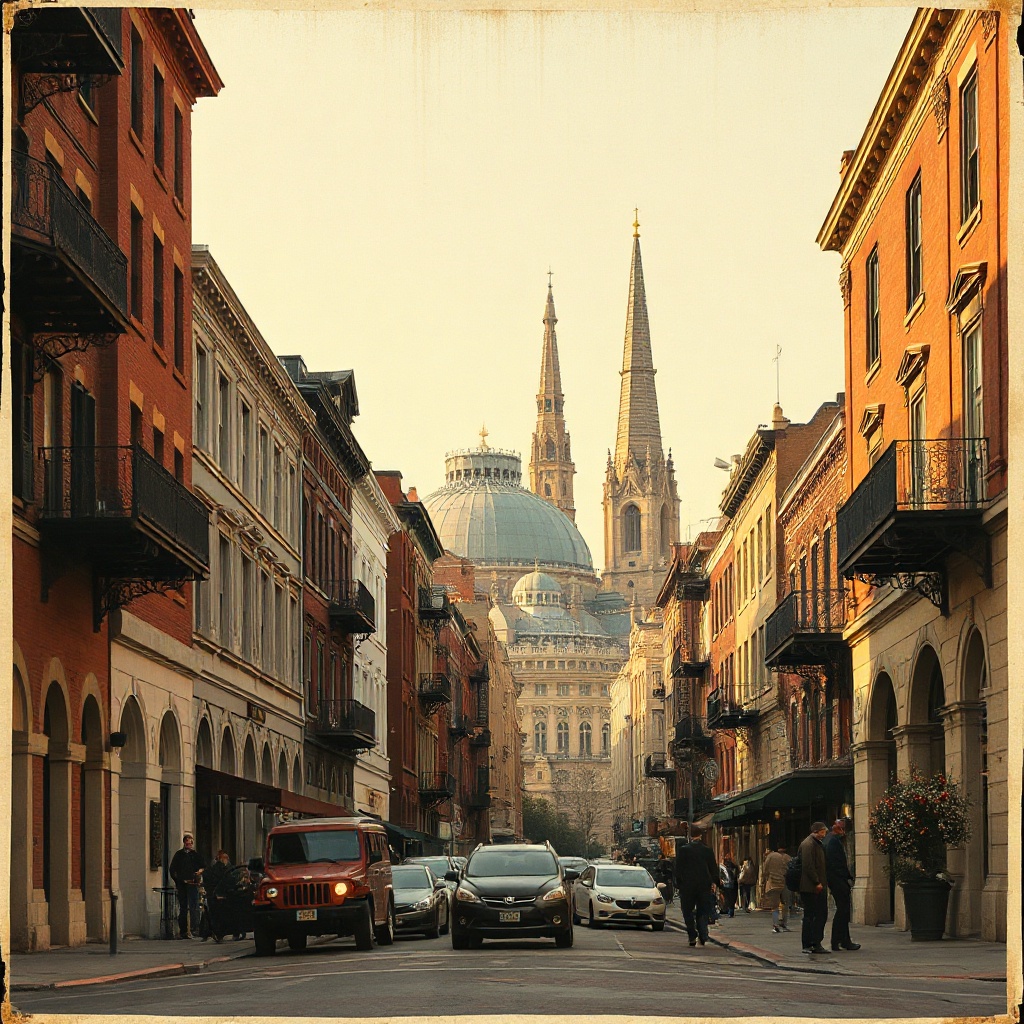
– Explore the waterfront: The Georgetown waterfront features parks, dining with river views, and boat rentals. Kayak and paddleboard options are available for a more active visit.
– Shop M Street and Wisconsin Avenue: These two corridors host a mix of national brands and independent retailers. Window-shopping along the iconic storefronts is a favorite pastime.
– Discover historic sites: Small museums, notable rowhouses, and well-preserved streetscapes make for rewarding self-guided history walks. Keep an eye out for plaques and hidden courtyards.
– Campus life and culture: The university campus adds an academic vibe, complete with public performances, lectures, and events that often open doors to visitors.
Food, drink, and nightlife
Georgetown’s dining scene balances classic institutions and new concepts.
Brunch spots, fine-dining rooms, casual cafes, and lively bars line the neighborhood, catering to a variety of tastes and budgets. For a relaxed evening, riverside restaurants and rooftop bars offer memorable sunset views. If you’re looking for cutting-edge culinary experiences, explore side streets for chef-driven small plates and tasting menus.
Practical tips for visiting
– Getting there: Georgetown is not directly served by the metro rail system; nearby stations connect by short bus rides, rideshare, or a pleasant walk for those who enjoy a longer stroll. Parking is limited—plan accordingly or use public transit and bike-share services.
– Best times to explore: Weekday mornings and early evenings are less crowded. Weekends are lively and great for people-watching, but expect fuller sidewalks and busier restaurants.
– Footwear and comfort: Cobblestones and uneven sidewalks call for comfortable shoes.
Bring a light layer for river breezes, especially if you plan to spend time on the waterfront.
– Local etiquette: Many of the neighborhood’s highlights are residential and historic; respect private property and keep noise levels moderate in quieter blocks.
Community and development
Georgetown balances preservation with careful development. Ongoing conversations among residents, business owners, and planners shape how the neighborhood evolves while protecting its character. This dynamic contributes to a sense of stewardship that keeps public spaces vibrant and welcoming.
Whether you’re hunting for boutique finds, enjoying outdoor recreation along the towpath, or sampling the neighborhood’s diverse dining scene, Georgetown remains a compelling destination for a stroll, a day out, or an evening on the water. Plan a route that mixes the popular sights with quieter side streets to experience the neighborhood’s full personality.
Leave a Reply