Washington, D.C.
is more than monuments and museums — it’s a dynamic city of neighborhoods, waterfront parks, and a food and culture scene that rewards exploration. Whether you’re a first-time visitor or returning for another weekend, a few smart strategies help you make the most of the capital.
Start with the icons, then veer off the beaten path
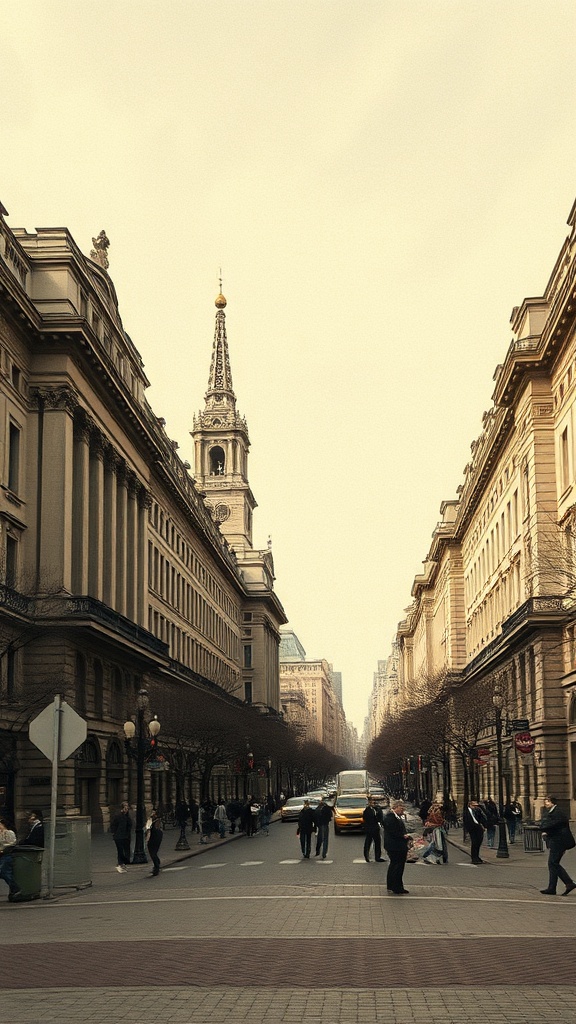
The National Mall and its memorials are essential for first-time visitors; arrive early to avoid crowds and take advantage of softer light for photos. Many Smithsonian museums offer free admission, but a few require timed-entry passes for popular exhibits — check ahead to reserve tickets where needed.
Beyond the Mall, Capitol Hill, the National Archives, and the U.S. Botanic Garden offer concentrated history and beautiful grounds.
Neighborhoods worth exploring
– Georgetown: Historic streets, waterfront dining, and boutique shopping make this a leisurely stroll. Walk the C&O Canal for a quieter view of the area.
– U Street and Shaw: Known for live music, vibrant nightlife, and a strong culinary scene. These neighborhoods blend historic jazz clubs with modern restaurants and cocktail bars.
– Penn Quarter and Chinatown: Central to many museums and theaters, it’s convenient for catching a show or enjoying a pre-theater dinner.
– H Street NE: A hub for eclectic eats, street festivals, and independent shops — good for a more local vibe.
– Anacostia: Emerging cultural destinations and riverfront projects offer an alternative perspective on the city’s history and future.
Waterfronts and outdoor space
DC’s riverfronts and parks have been revitalized with trails, river cruises, seasonal markets, and pop-up events.
The Potomac and Anacostia rivers are great for paddle sports and scenic walks; look for greenways that connect parks and offer bike-friendly routes. Public plaza programming often brings concerts, outdoor fitness classes, and weekend markets.
Getting around
Public transit is the most efficient way to navigate the city core.
The regional rail and bus networks connect neighborhoods, while a dense bike-share and dockless micromobility options make short hops easy. Rideshares are widely available, but traffic can be heavy during peak commuting hours. For monument-heavy days, comfortable walking shoes and a refillable water bottle will keep you moving.
Food, drink, and late-night culture
DC’s dining scene ranges from high-end tasting menus to beloved food trucks and neighborhood institutions. Brunch culture is strong, and many neighborhoods host late-night spots for live music and cocktails. Farmers markets and neighborhood pop-ups give a seasonal taste of local produce and artisanal goods.
Practical tips
– Security checkpoints are common near major government buildings; allow extra time.
– Many museums are free, but special exhibits may require reservations — verify policies online before visiting.
– Weather can change quickly; layering and sun protection make outdoor touring more comfortable.
– Look for neighborhood events and festival calendars to catch performances, street fairs, and outdoor markets during your stay.
Why return again and again
Washington, D.C. continually refreshes its public spaces, cultural programming, and dining options, making each visit an opportunity to discover something new. Mix the must-see landmarks with neighborhood strolls, waterfront time, and a few off-the-beaten-path finds for a well-rounded city experience that feels both historic and surprisingly contemporary.
Leave a Reply