George Washington University (GW) blends an urban campus with deep connections to national institutions, making it a compelling choice for students who want classroom learning tied directly to real-world opportunity. Nestled in the Foggy Bottom neighborhood, GW leverages its proximity to the White House, federal agencies, think tanks, and international organizations to offer experiential education that’s hard to match.
Location and access
Foggy Bottom provides immediate access to policy, media, and business hubs. Students can walk or take a short transit ride to Capitol Hill, the Federal Reserve, and major museums. That proximity translates into high-quality internships, speaker events, and networking opportunities that benefit undergraduates and graduate students alike.
For those focused on public service, diplomacy, journalism, or government affairs, GW’s location is a consistent advantage.
Academic strengths and interdisciplinary focus
GW is known for strong programs in international affairs, public policy, business, law, health sciences, and the arts. The university emphasizes interdisciplinary study, encouraging students to combine majors and minors across schools to address complex problems—climate policy, global health, cybersecurity, and urban planning are common intersections. Research centers and think tanks based on campus host visiting fellows and practitioners, giving students exposure to cutting-edge scholarship and policy debates.
Research, clinics, and clinical care
GW’s research activity spans basic science to applied social science. Health science programs link to a teaching hospital and community clinics, offering hands-on clinical training and public-health outreach.
Law students often participate in clinics that provide real legal help to residents and nonprofits, strengthening both practical skills and civic engagement.
Career development and internships
Career services are tailored to capitalize on GW’s DC location.
The university maintains relationships with government agencies, international organizations, NGOs, and private sector employers. Students benefit from structured internship programs, career fairs featuring high-profile employers, mentorship networks, and alumni who remain active in recruiting and mentoring.
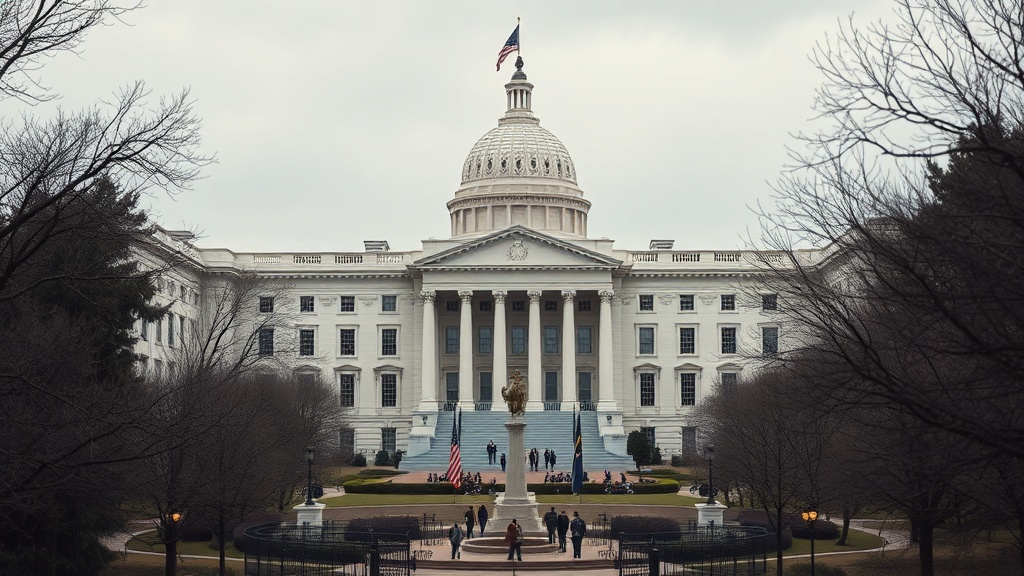
For students prioritizing career outcomes, GW emphasizes experiential learning combined with professional preparation.
Campus life and student support
Campus life blends the vibrancy of a city with a compact, walkable campus.
Student organizations cover everything from cultural groups and political clubs to entrepreneurship and performing arts. Residential life fosters community, while student counseling, academic advising, and accessibility services aim to support retention and success. The arts scene on campus and nearby galleries adds cultural depth to student life.
Community engagement and sustainability
GW positions community partnerships and sustainability as institutional priorities.
Programs often focus on local service, urban sustainability projects, and collaborations with DC neighborhoods. On-campus initiatives address energy efficiency, waste reduction, and greener transportation—reflecting a broader commitment to environmental stewardship.
Choosing GW: what to consider
The university is ideal for students seeking immersion in public affairs, international relations, health policy, law, or media, and who value access to internships and professional networks in the nation’s capital. Prospective students should weigh urban campus living, commuting logistics, and the intensity of competition for high-demand internships. Visiting campus, meeting faculty, and connecting with current students can clarify fit.
For people drawn to practical learning, policy engagement, and a campus embedded in a major civic center, George Washington University offers a mix of academic rigor, professional pathways, and urban energy that supports ambitious career trajectories.
Leave a Reply