Rediscovering Washington, D.C.: Where History Meets a Modern Pulse
Washington, D.C. is often pictured as marble monuments and polished museums, but the city’s energy today blends that iconic history with vibrant neighborhoods, a dynamic food scene, and expanding green space. Whether you’re a first-time visitor or looking to explore beyond the National Mall, here’s a guide to what to see, eat, and do.
Must-see cultural anchors
– The National Mall and Smithsonian museums remain essential: free, world-class collections cover everything from air and space to American history and art. Plan museum visits around timed-entry policies and expect popular exhibits to fill quickly.
– The U.S.
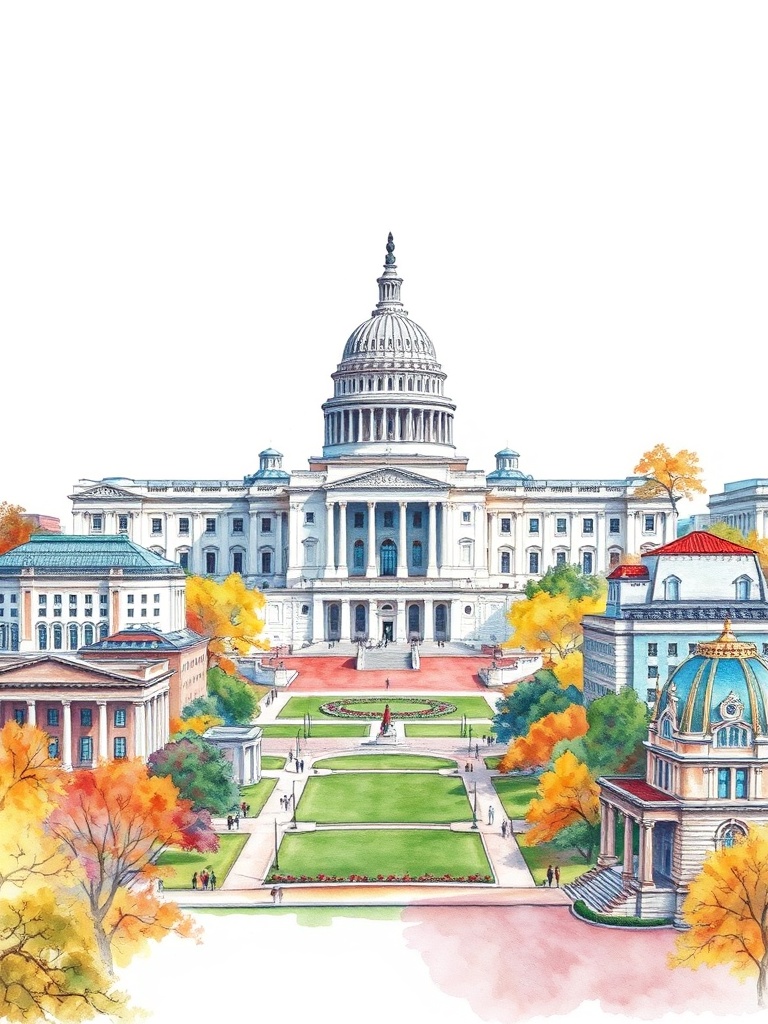
Capitol, Supreme Court, and White House are central to any itinerary. Guided tours are available—book ahead through official channels.
– Off the Mall, find diverse museums and cultural institutions in neighborhoods like Capitol Hill, the Wharf, and the revitalized riverfront districts.
Neighborhood highlights
– Georgetown draws with its historic rowhouses, upscale shops, and a lively waterfront perfect for an evening stroll.
– Downtown and Penn Quarter offer theaters, galleries, and top-tier restaurants within walking distance of major museums.
– U Street and Shaw celebrate music history—especially jazz—along with innovative dining and nightlife.
– The Wharf and Navy Yard have transformed waterfront access into parks, dining piers, and event spaces, making waterside walks and boat tours easy to enjoy.
– Anacostia and other emerging neighborhoods showcase a growing arts scene and community-led projects worth exploring with a local guide.
Food and drink
The city’s culinary landscape is eclectic.
From Michelin-starred tasting menus to bustling food halls, options span global cuisines and neighborhood favorites. Don’t miss the city’s seafood offerings—oysters and Chesapeake specialties remain local staples. Markets and pop-ups, especially in areas like Union Market and outdoor weekend markets, offer a fast way to sample multiple vendors.
Getting around
Public transit, bike-share, and e-scooters make exploring straightforward. Metro remains the backbone for longer distances; buses and circulator routes help fill gaps.
For shorter trips, biking and walking are often quicker in denser neighborhoods. Use contactless payment options where available, and download local transit apps for real-time updates and route planning.
Outdoor escapes and climate-conscious design
Parks and riverfront promenades are central to city life. The National Mall is the obvious outdoor destination, but quieter green spaces—local neighborhood parks, community gardens, and the C&O Canal towpath—offer respite from crowds. The city is also investing in green infrastructure and shoreline improvements, so look for new waterfront parks and restored natural areas that prioritize resilience and public access.
Practical tips
– Check museum and attraction websites for timed-entry tickets and temporary exhibit alerts.
– Weekday mornings and late afternoons generally see lighter crowds at major sites.
– Bring comfortable walking shoes—many of the best discoveries are on foot.
– Consider guided neighborhood tours to uncover local history and hidden gems you might otherwise miss.
Washington, D.C. continues to evolve while honoring the institutions and landscapes that define it. Planning a mix of iconic stops and neighborhood exploration will give you a fuller sense of the city’s culture, cuisine, and character. Pack a map, leave room for spontaneity, and expect to find something new around almost every corner.
Leave a Reply