Washington DC blends history, culture, and a lively urban scene into a compact, walkable city that rewards both first-time visitors and longtime residents. From the sprawl of museums along the National Mall to intimate neighborhood restaurants and riverside parks, the city offers a mix of iconic landmarks and evolving local hotspots.
Start on the National Mall, where the open greenway links the Capitol to the Lincoln Memorial and hosts the Smithsonian museums. Many of those museums offer free admission, making it easy to customize a day around art, natural history, or aerospace. Monument-hopping works best early in the morning or later in the day to avoid peak crowds; bring comfortable shoes and a light layer for variable weather. Security screenings are common near major sites, so carry ID and leave oversized bags at your hotel when possible.
Beyond the Mall, Washington’s neighborhoods each have a distinct personality. Georgetown charms with cobblestone streets, boutique shopping, and waterfront dining along the Potomac. U Street and Shaw are hotbeds for music, nightlife, and a growing roster of chef-driven restaurants. For craft breweries, modern bars, and game-day energy, the Navy Yard and Capitol Riverfront are popular destinations, anchored by a waterfront promenade and easy river access. Dupont Circle and Adams Morgan offer bookstores, embassies, international eateries, and lively weekend scenes, while Brookland and Capitol Hill provide quieter, residential streets and local markets.
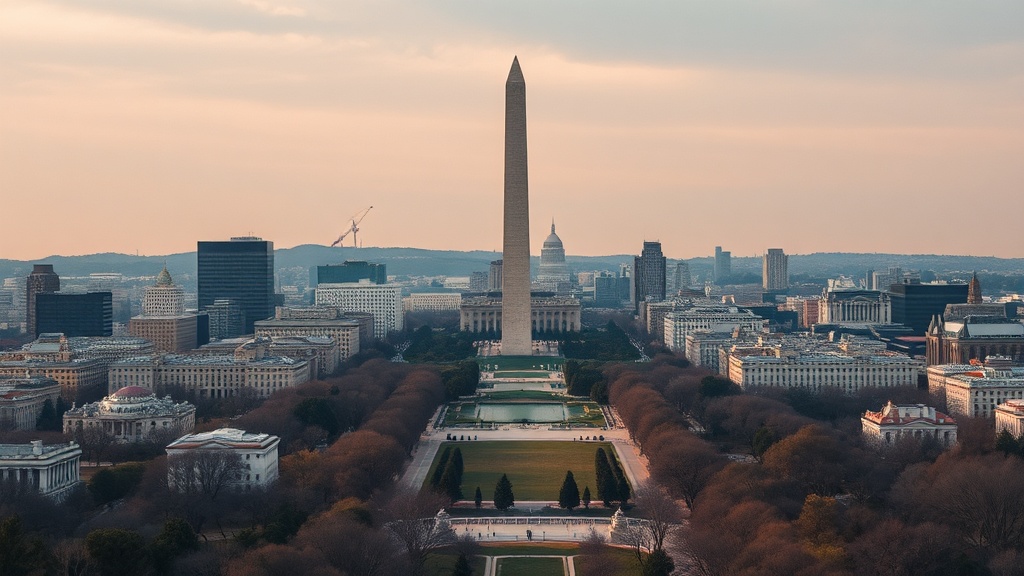
Outdoor options extend past the Monumental core. Rock Creek Park provides miles of forested trails and a refreshing escape within the city. The Anacostia River and Potomac River corridors now feature improved trails, kayak rentals, and scenic bike paths. Waterfront hubs such as the Wharf and the Georgetown waterfront combine dining, live music, and seasonal boat tours. For slower-paced exploring, local farmers markets—like the long-running market near Eastern Market—are great spots to sample produce, artisanal foods, and neighborhood culture.
Getting around is straightforward. The Metro serves most of the city and suburbs; buses, bike-share programs, scooters, and rideshares fill in the gaps. For convenience and savings, regular riders use a reloadable transit card or mobile payment options on transit apps. Walking is often the fastest way to move between clustered attractions, and bike lanes are expanding across key corridors.
Dining in DC has breadth and depth: from casual food halls and neighborhood taquerias to tasting menus at notable restaurants. The city’s food scene highlights regional produce and global flavors.
Brunch is a weekend ritual for many, and late-night options cater to theater and nightlife crowds.
Reservations are recommended for popular spots, and lunch-hour deals can be a smart way to sample acclaimed kitchens at a lower price point.
Safety and comfort tips: stay aware of your surroundings, keep valuables secure, and check transit schedules for planned service changes before heading out. Seasonal crowds and special events can affect access to the Mall and key monuments, so plan flexible time windows for top attractions.
Whether focused on museums, politics, food, or outdoor recreation, Washington DC packs a lot within its borders. Build an itinerary that balances must-see landmarks with neighborhood discoveries to get the most out of the city’s rich layers of history and contemporary life.
Leave a Reply