Georgetown remains one of the most magnetic neighborhoods in the capital region, blending historic charm with a lively dining, shopping, and waterfront scene. Visitors and locals alike are drawn to its cobblestone streets, Federal-style rowhouses, and a compact commercial corridor that makes strolling the best way to soak it all in.
What to expect on arrival
Start at the waterfront to see the place where the Potomac meets vibrant urban life. A leafy promenade, marinas, and riverside patios make the waterfront a daily destination for people walking dogs, renting paddlecraft, or enjoying casual al fresco meals. Moving inland, narrow streets reveal boutique shops, artisanal bakeries, coffee roasters, and long-standing independent retailers that balance national brands.
Architecture and preservation
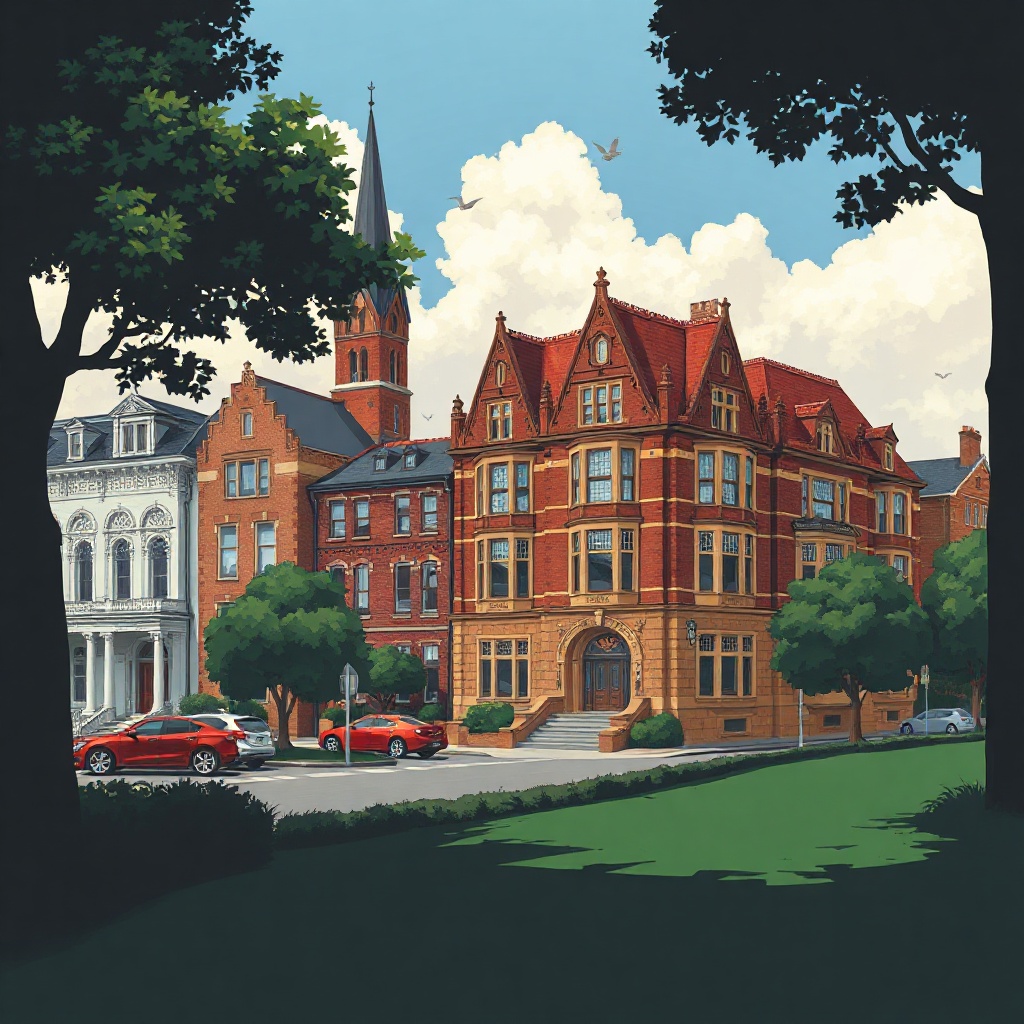
Georgetown’s architectural fabric is part of its appeal.
Carefully preserved townhouses, historic churches, and cobbled alleys create an atmosphere often described as timeless. At the same time, debates about preservation versus sensitive development are ongoing, with stakeholders working to protect historic character while accommodating modern needs like accessibility and green building standards.
Dining and nightlife
The neighborhood’s food scene has evolved noticeably, with chefs and restaurateurs offering everything from elevated comfort fare to global street food.
Wine bars, craft cocktail lounges, and chefs’ tasting rooms sit beside time-honored eateries that remain local favorites. Weekday lunches draw office workers and students; evenings pulse with after-work crowds and weekend shoppers.
Green spaces and active life
Despite its urban feel, Georgetown offers surprising access to outdoor activities.
Waterfront paths invite running and biking, while nearby green corridors provide quieter escapes for reading or picnicking.
The Capital Crescent Trail and nearby trails connect Georgetown to a broader network for cyclists and commuters who choose pedal over car.
Transit and accessibility
Georgetown has limited direct subway service, which keeps the neighborhood feeling intimate but can make arrival by bus, ride-hail, bicycle, or walking preferable. Parking can be competitive during peak times; many visitors find that combining transit with a short walk offers the smoothest experience.
Micro-mobility options like scooters and bikes are commonly used for short hops around the neighborhood.
Cultural life and events
The neighborhood supports a mix of galleries, performance venues, and institutional programming. Campus life from the local university influences cultural offerings, public lectures, and student-driven events that add to the neighborhood’s intellectual vibrancy.
Seasonal markets, pop-up galleries, and waterfront festivals give residents reasons to return frequently.
Tips for visitors
– Walk slowly to discover hidden courtyards, unique storefronts, and historic markers.
– Make dining reservations for evenings and weekends to avoid long waits.
– Explore side streets for independent bookstores, specialty food shops, and antique dealers.
– If possible, plan arrival via bike or short transit trip to avoid parking hassles.
– Check local listings for pop-up events and temporary exhibitions that showcase the creative energy of the area.
Why it matters
Georgetown’s strength comes from its mix of well-preserved history and contemporary amenities. The neighborhood demonstrates how urban districts can retain distinctive character while adapting to changing lifestyles, transportation patterns, and environmental priorities. Whether you’re window-shopping, dining, attending a lecture, or enjoying river views, Georgetown offers a layered, walkable experience that continues to draw curious visitors and committed locals.
Leave a Reply