Georgetown: Historic Charm, Waterfront Life, and What to Do When You Visit
Georgetown blends cobblestone streets, storied architecture, and a vibrant waterfront to create one of the most visited neighborhoods in the capital. Whether you’re planning a day trip, scouting restaurants, or exploring historic sites, Georgetown balances preservation with lively retail and dining scenes.
Why Georgetown draws visitors
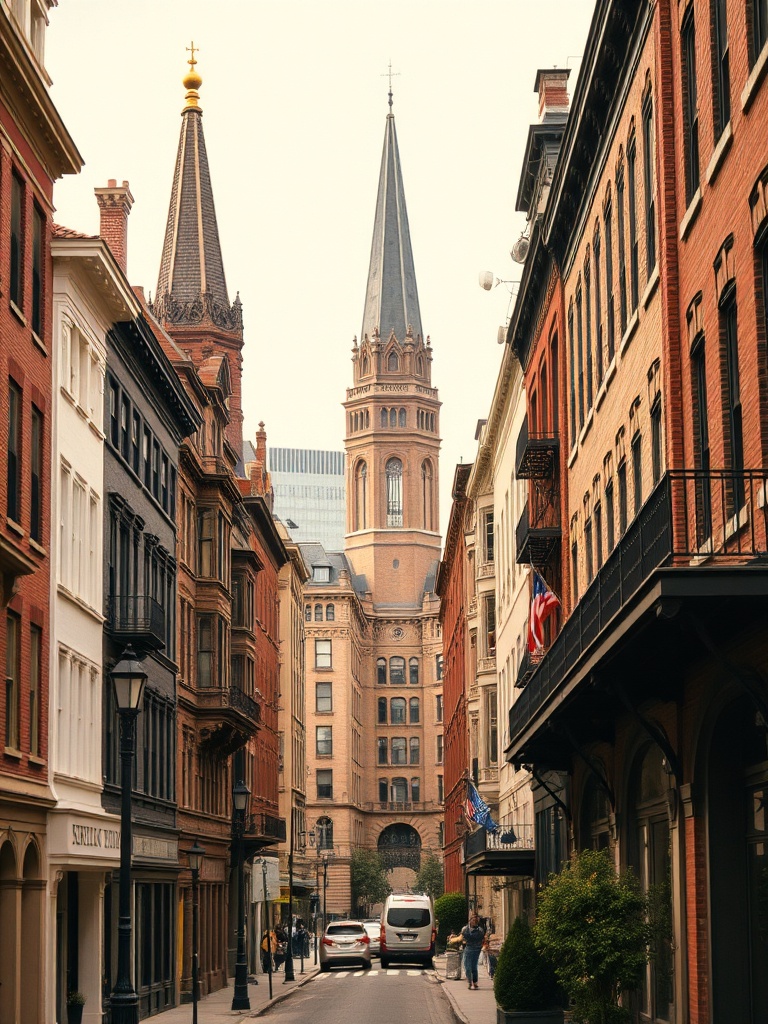
The neighborhood’s appeal starts with its layered history — brick row houses, Federal-style facades, and the long-running presence of a major university give the area a distinct character. The C&O Canal and the Potomac waterfront create scenic corridors for walking, jogging, and paddling. Meanwhile, high-end boutiques on M Street and independent shops on Wisconsin Avenue satisfy both window shoppers and serious buyers.
Top things to do
– Walk the C&O Canal Towpath: This peaceful stretch offers a quiet escape from urban bustle.
It’s ideal for a relaxed stroll, bike ride, or birdwatching along a linear park that traces the neighborhood’s industrial past.
– Stroll the waterfront: Georgetown Waterfront Park and the promenade are magnets for people watching, alfresco dining, and sunset views over the river. Kayak and paddleboard rentals are commonly available when weather allows.
– Shop and dine: From internationally known labels to local designers, M Street and the surrounding corridors deliver a mix of retail. Dining options cover global cuisine, contemporary American bistros, and longstanding neighborhood favorites—great for everything from brunch to date-night reservations.
– Explore historic sites: The area’s preserved houses and small museums reveal stories of early commerce, the canal era, and notable residents.
Guided walking tours and self-guided map apps make it easy to trace the neighborhood’s past.
– Visit the university corridor: The campus contributes cultural programming, lectures, and occasional public events that add to Georgetown’s intellectual and artistic life.
Getting there and getting around
Georgetown lacks a subway station, so transit-access primarily relies on buses, shuttle services, ride-hailing, and bike or scooter options.
Walking is one of the best ways to experience the neighborhood; compact blocks and numerous pedestrian-friendly streets make exploration enjoyable. If driving, be mindful of limited street parking and frequent metered zones—public garages and valet services can be easier choices during peak times.
Preservation vs. progress
A recurring theme in Georgetown is the balance between historic preservation and new development. Local advocacy groups are vocal about protecting sightlines, architecture, and the neighborhood’s waterfront access. At the same time, property owners and businesses pursue sensitive upgrades to keep storefronts and residences viable. This dynamic shapes planning decisions, with design review processes and community input central to major proposals.
Practical tips for visitors
– Plan to walk; comfortable shoes make a big difference on cobblestones and hilly blocks.
– Reserve weekend dining ahead of time for popular spots.
– Check local listings for farmers markets, outdoor concerts, and special exhibitions—seasonal programming frequently animates public spaces.
– If seeking quieter hours, aim for early mornings or weekday afternoons when foot traffic is lighter.
Why it matters
Georgetown remains a study in contrasts: a neighborhood where history is visible at every corner, yet where contemporary urban life—shopping, dining, and outdoor recreation—thrives. For visitors and locals alike, it offers an accessible blend of culture, scenery, and small-scale urbanism that keeps people coming back.
Leave a Reply