Washington DC still surprises first-time visitors and longtime residents alike. Beyond monuments and government buildings, the city offers lively neighborhoods, world-class museums, green corridors, and a food scene that blends tradition with innovation. Whether planning a short getaway or exploring like a local, here’s a practical guide to the best Washington DC has to offer.
Must-see attractions
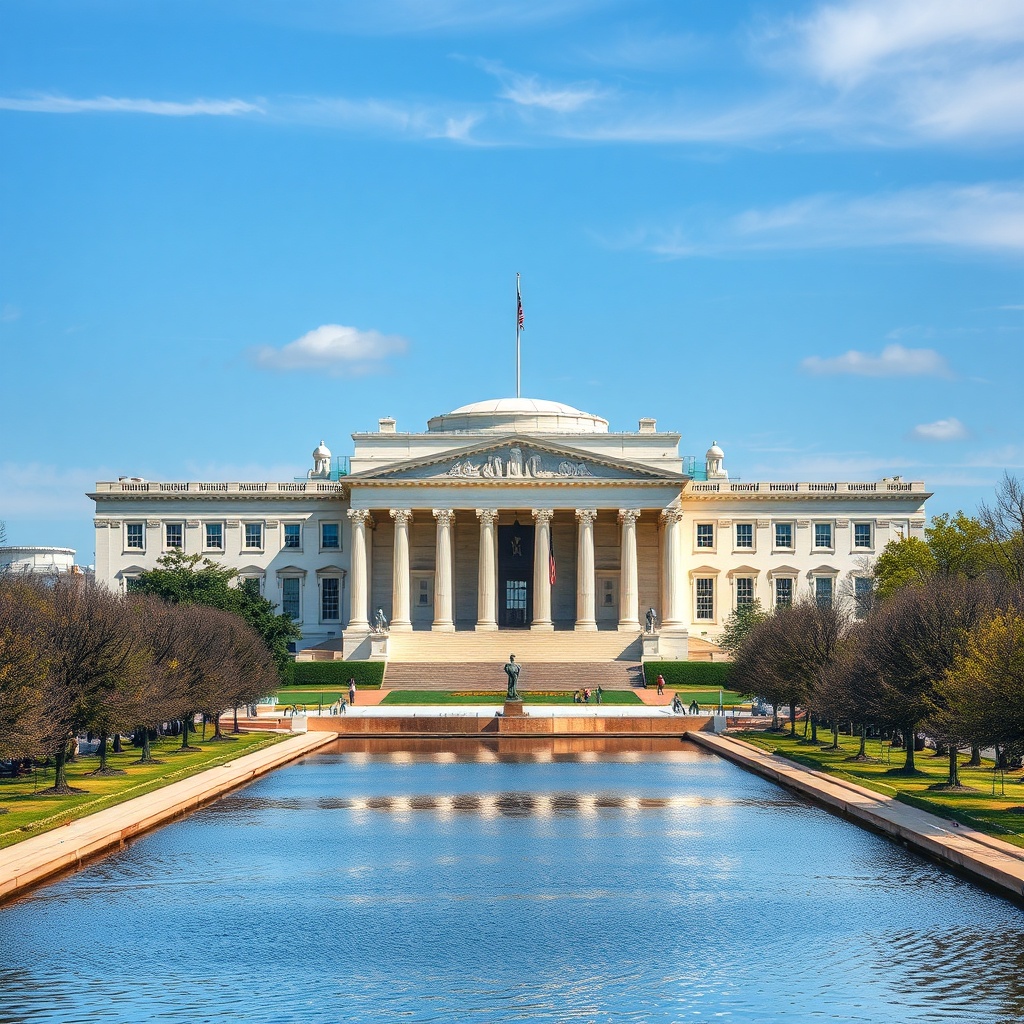
The National Mall remains the cultural and symbolic core: wide promenades, iconic memorials, and clusters of Smithsonian museums with free admission make it easy to tailor visits to any interest. Don’t miss the city’s rooftop viewpoints and waterfronts for a different perspective of the skyline. Nearby historic neighborhoods offer quieter, walkable streets and architectural charm.
Neighborhood highlights
– Georgetown: Stroll cobblestone streets, shop along M Street, and walk the C&O Canal towpath.
The waterfront is perfect for an evening with riverside views.
– U Street and Shaw: Known for jazz heritage, nightlife, and a growing roster of chef-driven restaurants. Live music venues and late-night spots keep the energy up after dark.
– Eastern Market and Barracks Row: Ideal for weekend markets, local artisans, and casual dining. Farmers’ markets and pop-up events make these areas lively on weekends.
– Capitol Hill: Offers a mix of landmark institutions, tree-lined residential blocks, and neighborhood cafes — a good base for museum and tour access.
Museums and cultural picks
Smithsonian museums cover everything from American history and natural history to arts and aviation. Many rotate special exhibitions and host evening programming, so check schedules before visiting.
Smaller museums and cultural centers across the city provide deep dives into specific stories — plan at least one off-the-beaten-path museum for a fresh perspective.
Food and drink
Dining in Washington DC spans Michelin-starred tasting menus to beloved local taquerias and global comfort food.
Look for chef-driven spots in redeveloping neighborhoods, seasonal tasting menus that highlight regional produce, and neighborhood bakeries perfect for a morning pastry. Brunch can be competitive on weekends; reservations or early arrivals help secure a table. For cocktail culture, cocktail bars and rooftop lounges offer creative drinks and skyline views.
Getting around
Public transit, scooters, and bike-share systems make it easy to move between attractions without a car. The city’s bike lanes and trails—especially along the Potomac and through Rock Creek Park—offer scenic alternatives to street travel. Rideshare and taxi services fill gaps late at night or for specific routes, but peak traffic near downtown can add travel time.
Practical tips
– Many museums are free, but timed-entry reservations may be required for popular exhibits.
– Dress for lots of walking and variable weather; layered clothing is useful for day-to-night plans.
– Weekday mornings and evenings are when business districts are busiest; weekend planning helps avoid crowds at major memorials.
– Look for neighborhood markets, seasonal festivals, and free outdoor concerts to experience local culture.
Sustainability and green spaces
The city continues expanding urban green projects and waterfront revitalizations, creating more accessible public spaces and improving walkability. Parks, community gardens, and riverfront trails are great for recreation and quieter moments away from tourist hubs.
Washington DC balances the grandeur of national institutions with intimate neighborhood life, making it a dynamic destination for history buffs, food lovers, and outdoor enthusiasts alike. Plan with a mix of main attractions and local discoveries to get the fullest experience of the city.
Leave a Reply