How Washington, DC Is Redefining Urban Mobility
Washington, DC has been reshaping how people move across the city, blending traditional transit with greener, tech-enabled options. The result is a more walkable, bikeable, and connected capital — whether you’re commuting from a neighborhood to downtown or exploring the monuments.
Transit remains the backbone
Metro and bus networks continue to anchor daily travel. Riders benefit from integrated fare systems and mobile trip planners that combine rail and bus options for faster connections. For smooth travel, check service alerts before you go and use contactless or reloadable fare cards to speed boarding. Transit agencies are also prioritizing accessibility upgrades and station improvements to make trips easier for everyone.
Micro-mobility: biking and scooters
Micro-mobility is now a mainstream choice for short trips. The city’s bike-share system offers docked and dockless options across neighborhoods, while private e-scooter operators fill in gaps where public transit and bike lanes don’t reach.
Protected bike lanes have expanded, creating safer routes for cyclists and encouraging more commuters to leave cars at home.
Helmets, visible clothing, and parking scooters responsibly help keep streets safer for all users.
Walking-friendly streets and placemaking
Efforts to pedestrianize streets and enhance public spaces have increased.
Slower traffic zones, widened sidewalks, and curb extensions make walking more pleasant and reduce conflicts between cars and pedestrians. Neighborhood-level placemaking — pop-up parks, outdoor dining, and community events — encourages foot traffic and supports local businesses. When exploring, plan a walking route that includes green spaces and low-traffic corridors for a more enjoyable stroll.
Electric vehicles and charging infrastructure
Electric vehicles are becoming more common, supported by a growing public charging network in city garages, curbside spots, and private lots. Residential and commercial developments are increasingly including charging stations in parking plans, which helps drivers transition away from fossil fuels. If you drive an EV, use real-time apps to find available chargers and be mindful of curbside charging etiquette to keep turnover steady.
Making trips smarter and greener
Multimodal trip planning apps make it easy to combine walking, transit, bikes, and rideshares into the most efficient route. For eco-conscious travelers, prioritize public transit, shared bikes, or scooters, which reduce emissions and congestion. Employers and institutions are also promoting commuting benefits like flexible schedules, transit subsidies, and bike-friendly facilities to reduce solo car trips.
Safety and community engagement
Traffic safety remains a priority.
Vision Zero initiatives focus on reducing traffic fatalities through speed management, safer intersections, and targeted enforcement. Community input drives many street redesigns, so staying engaged at local meetings or through online platforms ensures neighborhood needs are represented.
Tips for getting around
– Check transit apps for real-time Metro and bus updates before you leave.
– Use bike-share or scooter apps for short trips, and lock or park devices where allowed.
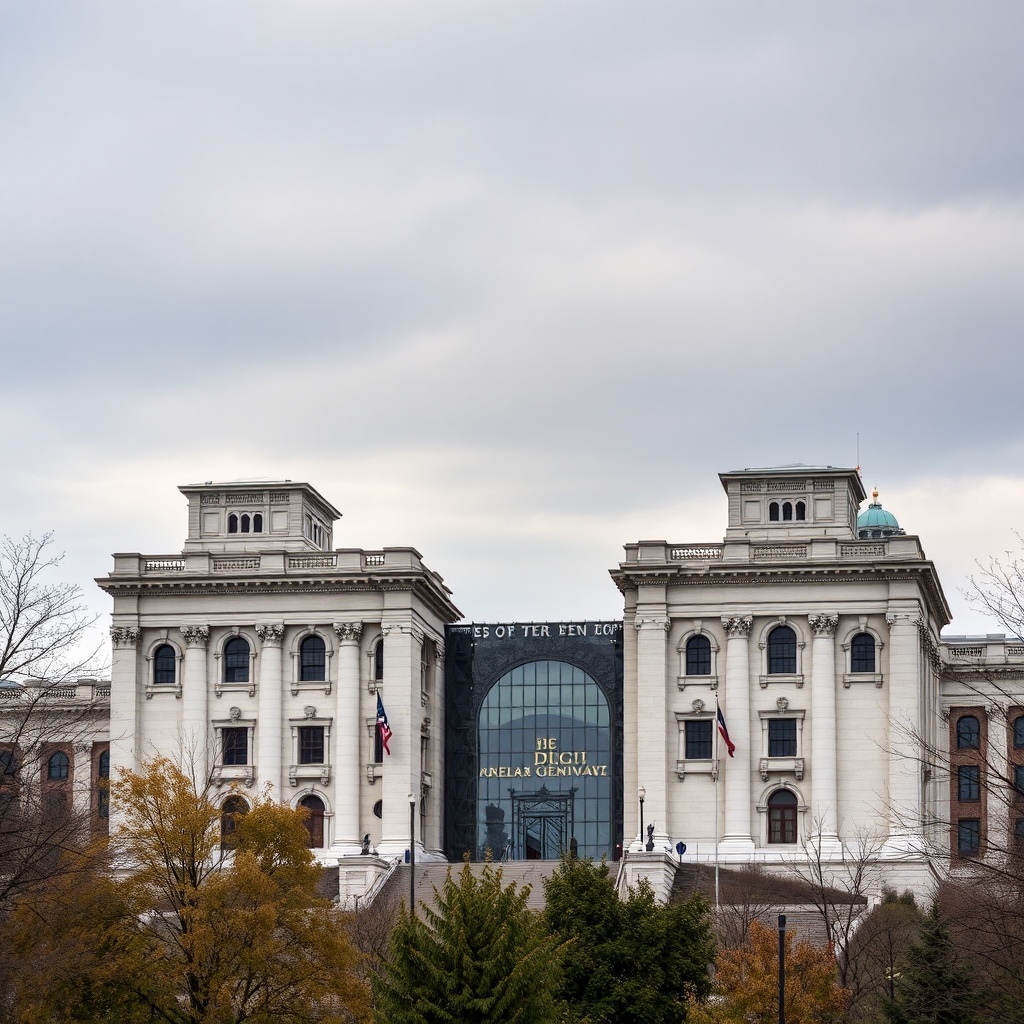
– Walk on protected sidewalks and use crosswalks; choose quieter streets when possible.
– If driving, plan for curbside restrictions and seek public chargers if using an EV.
– Stay informed about street projects and safety campaigns in your neighborhood.
Washington, DC’s mobility landscape is becoming more diverse and resilient. By mixing public transit, biking, walking, and electric options, the city aims for cleaner air, safer streets, and more vibrant public spaces — making it easier for residents and visitors to get where they need to go.
Leave a Reply