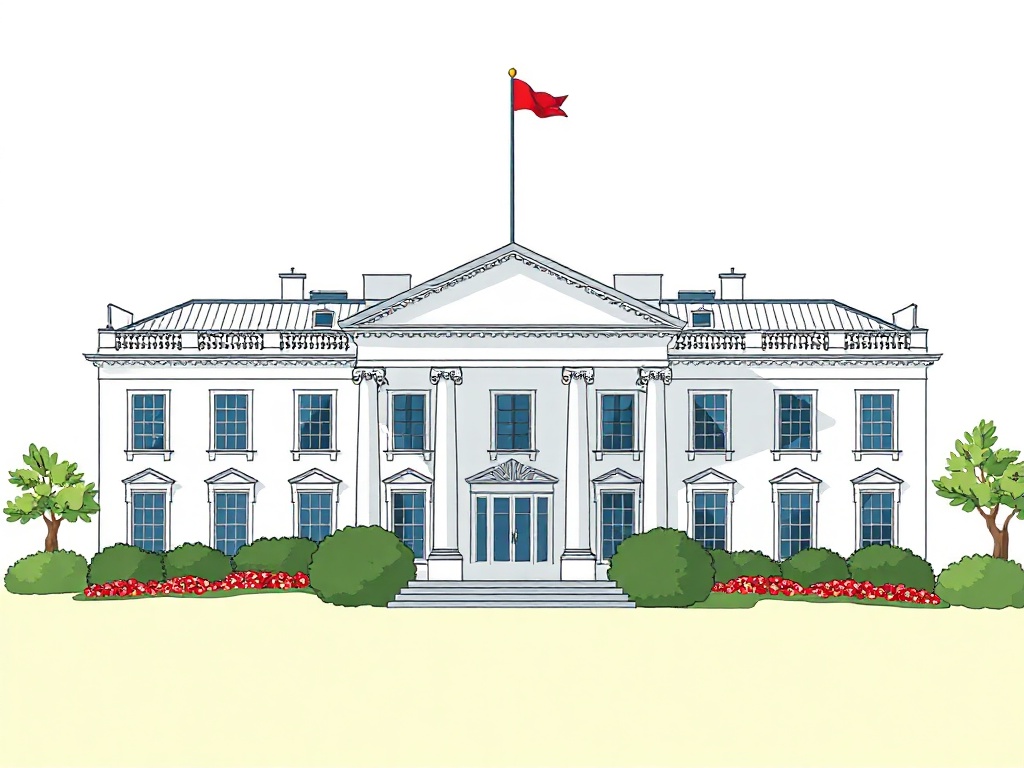
The White House remains one of the most recognizable symbols of American government—a functioning residence, an active workplace, and a public-facing monument all at once.
For many visitors and observers, its significance goes beyond politics: it represents history, architecture, and the ongoing effort to balance transparency with security.
A living landmark
Unlike a museum frozen in time, the White House is continuously occupied and adapted to meet the needs of modern governance. Preservation teams and historical curators work alongside facility managers to protect period rooms, conserve decorative arts, and update systems for safety and efficiency. At the same time, flexible spaces accommodate diplomatic receptions, state dinners, cultural events, and daily executive work, creating a dynamic environment where tradition and practicality intersect.
Gardens and public programming
The White House grounds are more than ornamental landscaping. The Rose Garden, the South Lawn, and other outdoor spaces host ceremonies, award presentations, and community-focused events. Seasonal programs and public-facing activities—such as family-focused celebrations and cultural showcases—aim to connect citizens with the institution in ways that are accessible and meaningful. Landscaping and horticultural initiatives also reflect broader commitments to ecological stewardship and native planting practices.
Transparency and the press
Press briefings, official statements, and public addresses are a key function of the White House’s role as an accountable executive office. Communication teams, press staff, and briefing officials manage information flow to ensure that the public receives timely updates while protecting sensitive operational details. The evolution of media platforms has changed how messages are crafted and delivered, encouraging concise, clear communication tailored for diverse audiences.
Security and public access
Balancing openness with safety is a perennial challenge. Visitor access is carefully managed through security screening and controlled tour programs. While the desire to experience the historic rooms and grounds is strong, security protocols ensure the wellbeing of residents, staff, and visitors. Technological upgrades in screening and surveillance run in parallel with conservation projects to safeguard both people and heritage.
How to engage or visit
– Request a tour through your congressional office or appropriate diplomatic channel; availability depends on scheduling and security.
– Check official resources before planning a visit to confirm procedures, closures, and accessibility accommodations.
– Expect security screening and follow posted guidelines for permitted items and photography.
– Explore virtual tour options and public digital collections for detailed views of rooms and artifacts if an in-person visit isn’t possible.
Preservation and sustainability
Ongoing maintenance addresses the challenges of aging materials, mechanical systems, and evolving building codes. Preservation professionals reconcile historical authenticity with the need for modern heating, cooling, and electrical systems. Concurrently, efforts to improve energy efficiency, reduce waste, and implement sustainable landscaping practices reflect a broader institutional commitment to environmental responsibility.
Why it matters
The White House functions as a living classroom for civic engagement. Its public-facing activities, historical interpretation, and communication channels help citizens understand governance and heritage. Whether experienced in person or virtually, the site encourages curiosity about history, policy, and civic life while exemplifying the tensions between tradition, transparency, and modern operational demands.
For anyone interested in visiting or learning more, official channels and educational resources offer reliable, up-to-date guidance and programming designed to welcome a diverse public while preserving an iconic national asset.
Leave a Reply