The White House remains one of the most recognizable and symbolically rich residences in the world, blending history, politics, architecture, and public access into a single address. Beyond its role as the president’s primary workplace and living quarters, the White House functions as a living museum, a venue for statecraft, and a focal point for national conversations about heritage, security, and sustainability.
Architecture and public rooms
The building’s neoclassical design anchors a layout of ceremonial and private spaces that often attract public attention: the Oval Office, the East Room, and the State Dining Room are just a few that host policymaking, press events, and official receptions. While the exterior columns and porticoes convey tradition and permanence, the interiors reflect changing tastes and priorities through curated decor, rotating art displays, and updates that preserve historic fabric while supporting modern functions.
Public access and visitor experience
Public tours are available on a limited basis and are arranged through congressional offices; members of the public should contact their Representative or Senator well in advance of planned visits. Security screening, identification requirements, and a list of prohibited items are enforced at entry—photography policies vary by room and event—so prospective visitors should consult the official White House website for current guidance and any temporary restrictions. Spring and fall typically offer pleasant weather for exterior views and photos, while interior access depends on scheduled public tours or special events.
The White House garden and food initiatives
One of the more accessible stories associated with the White House is its role in promoting food policy and urban gardening. The kitchen garden on the South Lawn has been used to highlight fresh, locally grown produce and to showcase initiatives that encourage healthier eating habits. Demonstration plots, beehives, and composting programs have appeared at various times to emphasize sustainable landscaping and educational outreach.
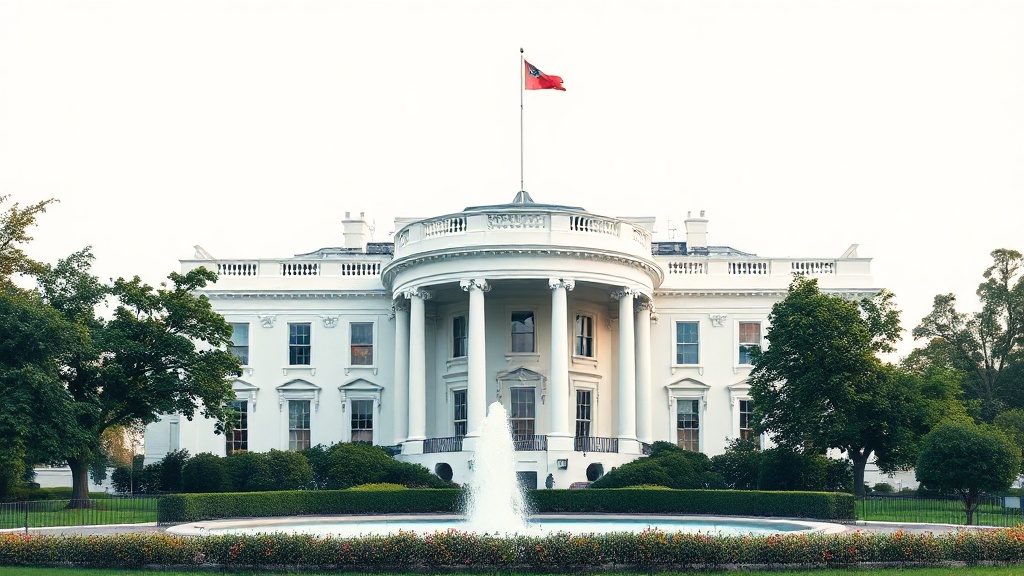
These features position the residence not just as a symbolic home but as a platform for practical demonstrations of food systems and environmental stewardship.
Sustainability and modernization
Efforts to modernize building systems have emphasized energy efficiency, improved water management, and reduced environmental impact across the estate. Upgrades such as efficient lighting, optimized HVAC operations, and landscaping choices that prioritize native plants are part of an ongoing focus on lowering energy use and showcasing responsible stewardship of public property. The White House grounds also host a range of wildlife-friendly habitats that balance formal gardens with ecological considerations.
Events and diplomacy
From state dinners to wreath-laying ceremonies and public briefings, the White House stage plays a central role in diplomacy and national storytelling.
These events are carefully choreographed to project unity, mark milestones, and host international leaders. For citizens, public events and announcements offer a window into how domestic policy and international relations are communicated from the nation’s most visible address.
Staying informed
Because access policies, events, and temporary exhibits change regularly, those interested in visiting or following activities at the White House should rely on official channels for the latest updates. News releases, social media posts from official accounts, and communications from congressional offices provide the most reliable information on tours, public programming, and any temporary closures.
Whether approached as architecture, politics, or public programming, the White House continues to function as a dynamic site where history and contemporary priorities intersect, offering both ceremonial gravitas and opportunities for public engagement.
Leave a Reply